

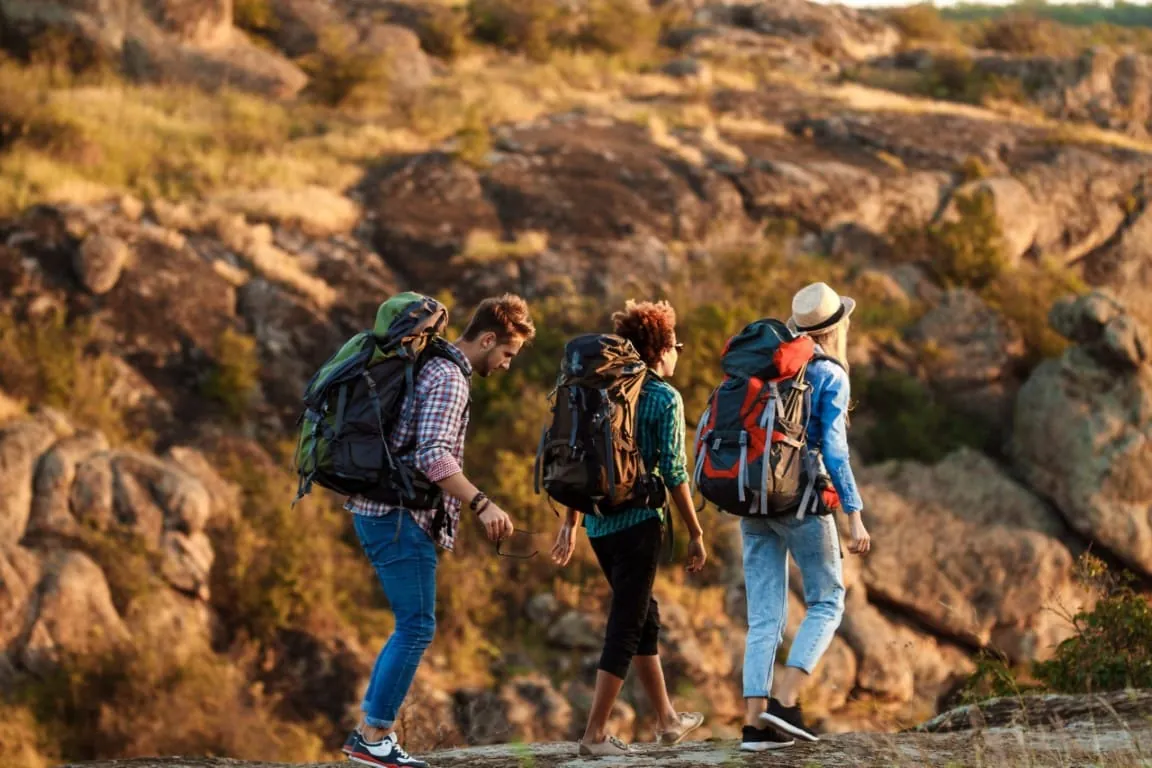
Venturing far beyond the reach of cellular service and paved roads offers a profound sense of freedom. Whether you are backpacking through deep alpine wilderness, tackling a remote desert canyon, or overlanding across rugged mountain passes, the beauty of remote adventure travel lies in its isolation. Yet that very same isolation carries inherent risk. When professional medical assistance is hours or even days away, your safety net shrinks down to the contents of your backpack. Relying on a generic, store-bought bandage kit purchased at a corner pharmacy is simply inadequate when you encounter a medical emergency miles from the nearest trailhead. Building a custom, high-performance first-aid kit tailored to your specific environment and activities is an essential responsibility for any serious outdoor traveler.
The Core Philosophy of Wilderness Medicine
Before packing a single bandage or tablet, it helps to understand the fundamental difference between urban first aid and wilderness medicine. In an urban setting, emergency services are typically minutes away, meaning the primary goal of first aid is stabilization until professionals arrive. In a remote wilderness setting, you may become the primary care provider for an extended duration. This reality shifts the focus from mere stabilization to prolonged patient management, comfort, and decision-making regarding evacuation.
Weight and space are always at a premium when you travel on foot or by human-powered transport, forcing a careful balance between comprehensive preparation and minimalist efficiency. Every item in your kit must earn its place. Multi-use items, high durability, and weather resistance are paramount. A waterproof container or dry bag is just as critical as the medical supplies inside it, because a soggy stash of gauze and ruined medications is worse than having nothing at all.
Trauma Management and Severe Bleeding Control
Traumatic injuries resulting from a bad fall, a slip on loose scree, or an encounter with sharp equipment require immediate, decisive action. While minor scrapes and blisters form the bulk of everyday trail complaints, your kit must prioritize catastrophic bleeding and wound stabilization to handle worst-case scenarios safely.
Stopping Major Hemorrhage
A severe laceration or arterial bleed demands fast intervention to prevent shock. Including a certified, windlass-style combat application tourniquet is non-negotiable for remote backcountry travel. Do not rely on makeshift cloths or bandanas, which fail under pressure when seconds count. Pair your tourniquet with several packs of compressed Z-fold sterile gauze and an emergency pressure dressing, such as an Israeli bandage. These tools allow you to pack deep wounds and apply direct, sustained pressure while freeing up your hands or allowing a partner to assist with other aspects of patient care.
Wound Cleaning and Closure
For less severe cuts, abrasions, and punctures, thorough cleaning prevents devastating infections miles from civilization. Pack a rigid irrigation syringe or a specialized nozzle that attaches to a standard water bottle, allowing you to flush debris out of open wounds with high-pressure clean water. Include potent antiseptic wipes, povidone-iodine or chlorhexidine solution, and sterile non-stick Telfa pads. While butterfly closures or adhesive strips work for minor superficial cuts, consider adding skin adhesive or suture strips for clean gaps in the skin that require structural holding power. Always seal everything inside resealable heavy-duty plastic bags to maintain absolute sterility.
Managing Environmental Hazards and Common Trail Ailments
While trauma captures our imagination, common environmental discomforts and minor injuries account for the vast majority of backcountry medical challenges. Ignoring a hot spot on your heel can quickly devolve into a debilitating blister that ruins an entire expedition.
Blister Prevention and Treatment
Foot care is the cornerstone of successful distance hiking. Your kit should feature proactive blister management supplies rather than just reactive bandages. Pack pre-cut strips of moleskin, second-skin hydrogel pads, and athletic tape. Applying preventative tape or specialized friction-reducing patches at the very first hint of a hot spot stops blisters before they form. If a fluid-filled blister does develop, include sterile alcohol prep pads and fine-point medical needles or lancets to drain it safely without tearing the fragile overlying skin, followed by a protective antiseptic barrier dressing.
Medications for Pain, Inflammation, and Illness
Digestive issues, headaches, allergic reactions, and sudden fevers can completely derail a trip if left untreated. Curating a compact pharmacy section requires careful thought. Include broad-spectrum nonsteroidal anti-inflammatory drugs like ibuprofen for pain and swelling, acetaminophen for fever management, and diphenhydramine or cetirizine for allergic reactions and insect stings. Gastrointestinal distress is common when consuming natural water sources or unfamiliar food; pack loperamide to manage acute diarrhea and trusted antacids for heartburn. If you travel internationally or deep into regions prone to waterborne parasites, consult a travel medicine physician regarding prescription antibiotics or specialized antiparasitic medications tailored to your itinerary.
Diagnostic Tools and Improvised Support
Treating an injured or sick traveler in the wilderness requires careful observation and stabilization tools that go beyond simple band-aids. When you cannot run diagnostic tests at a clinic, basic physical aids help you assess the severity of an injury and provide temporary structural support.
Orthopedic Stabilization
Sprained ankles, jammed fingers, and fractured wrists are frequent casualties of uneven terrain. A moldable aluminum-core foam splint, commonly known as a SAM splint, is lightweight, waterproof, and endlessly versatile. It can be shaped to immobilize a broken wrist, rigidify an ankle, or even serve as a cervical neck support in an emergency. Secure your splint using wide elastic bandage wraps and heavy-duty cohesive tape that sticks only to itself rather than skin or hair.
Essential Instruments and Utilities
A well-stocked kit relies on precision instruments to execute medical tasks cleanly. Pack a pair of heavy-duty stainless steel trauma shears capable of cutting through thick denim, fleece, or webbing without snagging. Include precision splinter forceps for removing deep thorns, cactus needles, or tiny ticks. A compact penlight or headlamp with fresh batteries allows you to perform neurological pupil checks or inspect wounds in fading light or inside a tent at night. Finally, always include a waterproof notepad and a reliable pen or pencil to record vital signs over time, track medication administration schedules, and document the progression of symptoms for when you finally reach emergency medical personnel.
Tailoring Your Kit to Environment and Duration
No single first-aid kit serves every expedition equally. Building a kit demands an honest appraisal of your destination, group size, and personal medical history. A weekend excursion into a temperate deciduous forest requires a different medical footprint than a three-week mountaineering expedition above the treeline or a solo trek across an arid desert.
Altitude sickness medications, specialized burn dressings for campfires, snakebite extraction tools for desert environments, or extra water purification tablets all factor into your customized packing list. Furthermore, every member of your traveling party should know exactly where the first-aid kit is stored and how to access its primary components quickly under pressure. Taking time to review the contents together before departure ensures that everyone shares a baseline understanding of how to respond if things do not go according to plan. Investing care and attention into assembling a robust, thoughtful remote first-aid kit turns a potential crisis into a manageable challenge, giving you the confidence to explore the wild places you love safely.