

Heavy menstrual bleeding is often treated as just an inconvenient part of life, something to endure with a larger box of supplies and a heating pad. Yet when severe fatigue accompanies those monthly cycles, it frequently points to a deeper physiological imbalance. The constant drain of iron can quietly evolve into iron deficiency anemia, a condition that impacts far more than energy levels. Recognizing the connection between heavy periods and exhaustion is the first step toward reclaiming your vitality, protecting your long-term health, and finding safe, effective ways to restore your body’s essential nutrients.
Understanding the Connection Between Heavy Menstrual Bleeding and Iron Loss
Every month, the body loses blood during menstruation, and with that blood goes iron. Iron is a vital mineral required to produce hemoglobin, the protein in red blood cells responsible for carrying oxygen from the lungs to every tissue and organ in the body. When menstrual bleeding is exceptionally heavy—clinically known as menorrhagia—the volume of blood lost exceeds what the typical diet can easily replenish.
Over time, this creates a deficit. As iron stores become depleted, the bone marrow lacks the raw material needed to manufacture healthy red blood cells. The cells that do get produced are often smaller and contain less hemoglobin, resulting in decreased oxygen delivery. This oxygen shortage is precisely why exhaustion sets in. Your heart, brain, muscles, and organs have to work significantly harder to function on a restricted oxygen supply, leaving you feeling profoundly drained even after a full night of sleep.
Recognizing the Signs Beyond Ordinary Tiredness
It is easy to brush off sluggishness as the result of a busy schedule, poor sleep, or stress. However, iron deficiency anemia manifests with a distinct constellation of symptoms that go beyond standard weariness.
-
Persistent fatigue and weakness: A pervasive lack of energy that does not improve with rest, making everyday tasks feel like monumental hurdles.
-
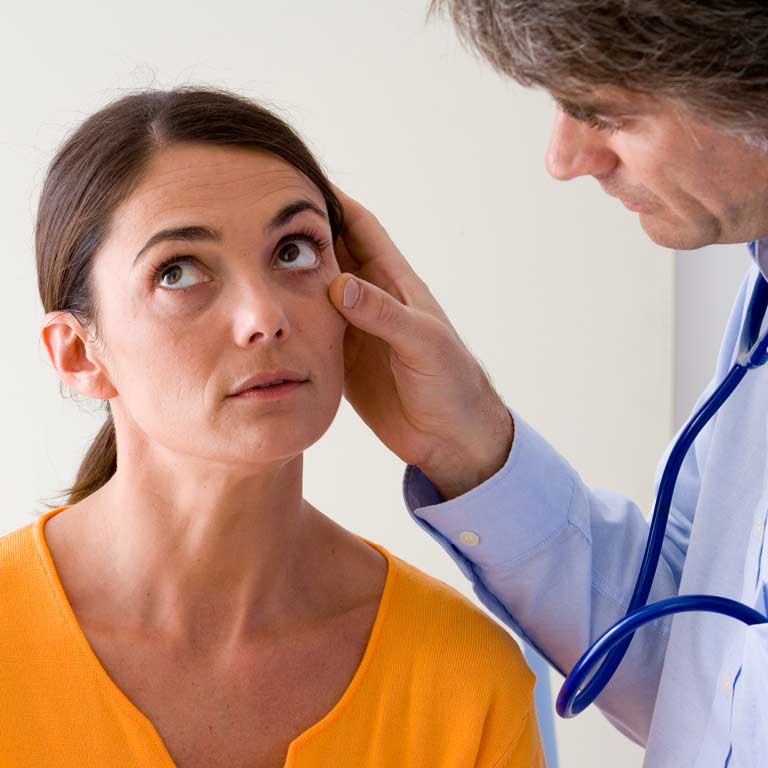
Pale skin and complexion: A noticeable loss of color in the face, inner eyelids, or nail beds due to reduced hemoglobin levels.
-
Shortness of breath: Breathlessness occurring with mild physical activity, such as climbing a flight of stairs or walking short distances.
-
Frequent headaches and dizziness: Lightheadedness or throbbing head pain caused by reduced oxygen flow to the brain.
-
Cold hands and feet: Poor circulation and thermoregulation resulting from the body prioritizing oxygen delivery to vital internal organs.
-
Brittle nails and hair loss: Hair that sheds easily or nails that become weak, spoon-shaped, or prone to chipping.
-
Unusual cravings: A phenomenon known as pica, which involves craving non-nutritive substances like ice, dirt, or starch.
The Diagnostic Process: Moving Beyond Guesswork
Self-diagnosing iron deficiency anemia based on symptoms alone can be misleading, as fatigue can stem from thyroid disorders, vitamin deficiencies, or chronic stress. A proper medical evaluation is essential to confirm the diagnosis and uncover the root cause.
A healthcare provider typically begins with a complete blood count test to measure hemoglobin levels, red blood cell size, and overall blood composition. Crucially, they should also order a serum ferritin test. Ferritin is the protein responsible for storing iron in the body. While a standard blood count might sometimes appear normal in the early stages of depletion, a low ferritin level clearly indicates that the body’s iron reserves are running on empty.
Beyond blood work, investigating why the periods are heavy in the first place is equally important. Structural factors like uterine fibroids, polyps, hormonal imbalances, bleeding disorders, or certain types of intrauterine devices can contribute to heavy bleeding. Identifying these factors ensures that treatment addresses both the consequence—the anemia—and the underlying trigger.
Safe and Effective Strategies for Iron Repletion
Once iron deficiency anemia is diagnosed, correcting it requires a strategic approach. Simply eating a few more spinach salads is rarely enough to bridge a significant deficiency caused by ongoing heavy blood loss.
Dietary Adjustments and Nutrient Synergy
Dietary iron comes in two primary forms: heme iron, found in animal products like beef, poultry, and fish, and non-heme iron, found in plant-based sources like lentils, beans, fortified grains, and dark leafy greens. The body absorbs heme iron much more efficiently than non-heme iron.
To maximize the absorption of plant-based iron, pair it strategically with vitamin C sources, such as bell peppers, citrus fruits, or strawberries. Conversely, be mindful of substances that inhibit iron absorption if consumed at the same time, including the tannins in coffee and tea, calcium supplements, and high-fiber foods consumed in large quantities right alongside your iron source.
Navigating Iron Supplementation Safely
In many cases, dietary changes alone cannot replenish deeply depleted stores, making oral iron supplementation necessary. However, iron supplements are notorious for causing gastrointestinal side effects such as nausea, constipation, cramping, and dark stools.
To minimize these side effects and maximize absorption, consider the following best practices:
-
Consult a professional: Work with a doctor to determine the correct dosage. Taking too much iron can lead to toxicity and organ damage.
-
Timing matters: Many people tolerate iron better when taken with a small amount of food, though vitamin C or an acidic juice taken on an empty stomach enhances absorption if your stomach can handle it.
-
Explore different formulations: Ferrous sulfate is common, but alternative forms like ferrous gluconate, ferrous bisglycinate, or carbonyl iron are often gentler on the digestive tract.
-
Patience is required: Rebuilding iron stores takes time. Even after energy levels improve, doctors typically recommend continuing supplementation for several months to fully replenish ferritin reserves.
In situations where oral supplements are poorly tolerated, cause severe gastrointestinal distress, or fail to raise iron levels quickly enough due to ongoing heavy blood loss, intravenous iron therapy administered in a clinical setting may be recommended.
Managing the Source: Addressing Heavy Bleeding
Treating anemia without addressing heavy menstrual bleeding is like bailing out a leaky boat without patching the hole. Long-term management requires reducing the volume of blood lost each month.
Medical management options vary depending on the underlying cause and your family planning goals. Hormonal contraceptives, such as combination birth control pills, hormonal intrauterine devices, or progestin-only medications, can significantly lighten menstrual flow by thinning the uterine lining. Non-hormonal medications like tranexamic acid can also be prescribed to reduce heavy bleeding during menstrual days. For structural issues like fibroids or polyps, minor surgical procedures or minimally invasive interventions may be appropriate.
Embracing a Proactive Approach to Women’s Health
Living with heavy periods and the exhaustion that trails behind them should never be normalized as just part of being a woman. Fatigue is a signal from your body that something is out of balance. By seeking accurate diagnostics, understanding how to replenish iron safely, and working with medical professionals to manage heavy bleeding, you can break the cycle of depletion. Prioritizing your iron health transforms your daily life, replacing exhaustion with steady, reliable energy.