

Childbirth is frequently framed as a miraculous destination, yet the postpartum period that follows is often treated as an afterthought. New parents receive endless advice on feeding schedules, infant sleep, and swaddling techniques, while the physical recovery of the birthing parent is reduced to a brief six-week checkup and a casual instruction to do a few Kegel exercises. This one-size-fits-all guidance glosses over the profound musculoskeletal transformation that occurs during pregnancy and delivery. The pelvic floor, a complex hammock of muscles, ligaments, and connective tissue supporting the bladder, uterus, and bowels, undergoes monumental stress. When these tissues are stretched, strained, or traumatized, standard advice falls short. Pelvic floor physical therapy has emerged as an essential, transformative component of postpartum care that goes far beyond basic contraction exercises to address total core recovery and long-term functional health.
The Reality of Pelvic Floor Trauma During Pregnancy and Birth
To understand why specialized therapy is necessary, it helps to examine what actually happens to the body during gestation and delivery. Throughout pregnancy, the pelvic floor muscles bear the steadily increasing weight of the uterus, amniotic fluid, and developing baby. Hormones like relaxin flood the bloodstream, softening ligaments and joints to prepare the pelvis for birth. This structural loosening makes the entire region more vulnerable to strain even before labor begins.
During a vaginal delivery, these muscles must stretch up to three times their normal length to allow the baby to pass. This extreme elongation can result in micro-tears, nerve stretching, or significant trauma, particularly if forceps, vacuum extraction, or a prolonged pushing phase are involved. Even a planned or unplanned cesarean section does not exempt a parent from pelvic floor dysfunction. The abdominal cavity has still carried the heavy load for nine months, and major abdominal surgery disrupts the core system, affecting how the diaphragm, abdominals, and pelvic floor work together. Assuming these tissues will automatically bounce back on their own ignores the physical reality of birth trauma.
The Myth of the Universal Kegel
For decades, the standard prescription for any postpartum pelvic issue has been the trusty Kegel exercise. Squeeze, hold, and release. While Kegels have their place, treating them as a universal cure-all is not only ineffective; it can sometimes be actively harmful.
Many postpartum individuals do not suffer from weak pelvic floor muscles; instead, they suffer from muscles that are hypertonic, meaning they are chronically tight, clenched, or in a state of spasm. Think of a muscle that has been overworked or has experienced trauma—clamping down and over-exercising a muscle that is already locked in a tight contraction will only increase pain, tension, and dysfunction. If a person with a hypertonic pelvic floor performs traditional Kegels without professional guidance, they may exacerbate symptoms like pain during intercourse, urinary urgency, or difficulty emptying the bladder completely. Pelvic floor physical therapy replaces guesswork with precision by first assessing whether the muscles need strengthening, lengthening, or coordination training.
Recognizing Signs That Your Pelvic Floor Needs Professional Support
Society has normalized many postpartum discomforts under the phrase motherhood comes with the territory. Leaking a few drops of urine when sneezing, laughing, or jumping is treated as an inevitable badge of honor. In reality, these symptoms are common, but they are not normal. They are signals that the core system requires professional attention.
A comprehensive postpartum evaluation by a licensed pelvic floor physical therapist can uncover several indicators that warrant specialized care:
-
Urinary or fecal incontinence: Involuntary leakage of urine or gas during physical exertion, coughing, or sudden urges to go.
-
Pelvic organ prolapse: A sensation of heaviness, pressure, or bulging in the vagina, caused by weakened support tissues allowing pelvic organs to shift downward.
-
Pain during intercourse: Persistent discomfort, tightness, or sharp pain when resuming sexual activity.
-
Chronic pelvic or lower back pain: Unexplained aches in the hips, tailbone, lower back, or pubic bone that do not resolve with standard rest or stretching.
-
Abdominal separation: A noticeable gap or doming in the abdominal wall, known scientifically as diastasis recti, which compromises core stability.
What Happens During a Pelvic Floor Physical Therapy Session
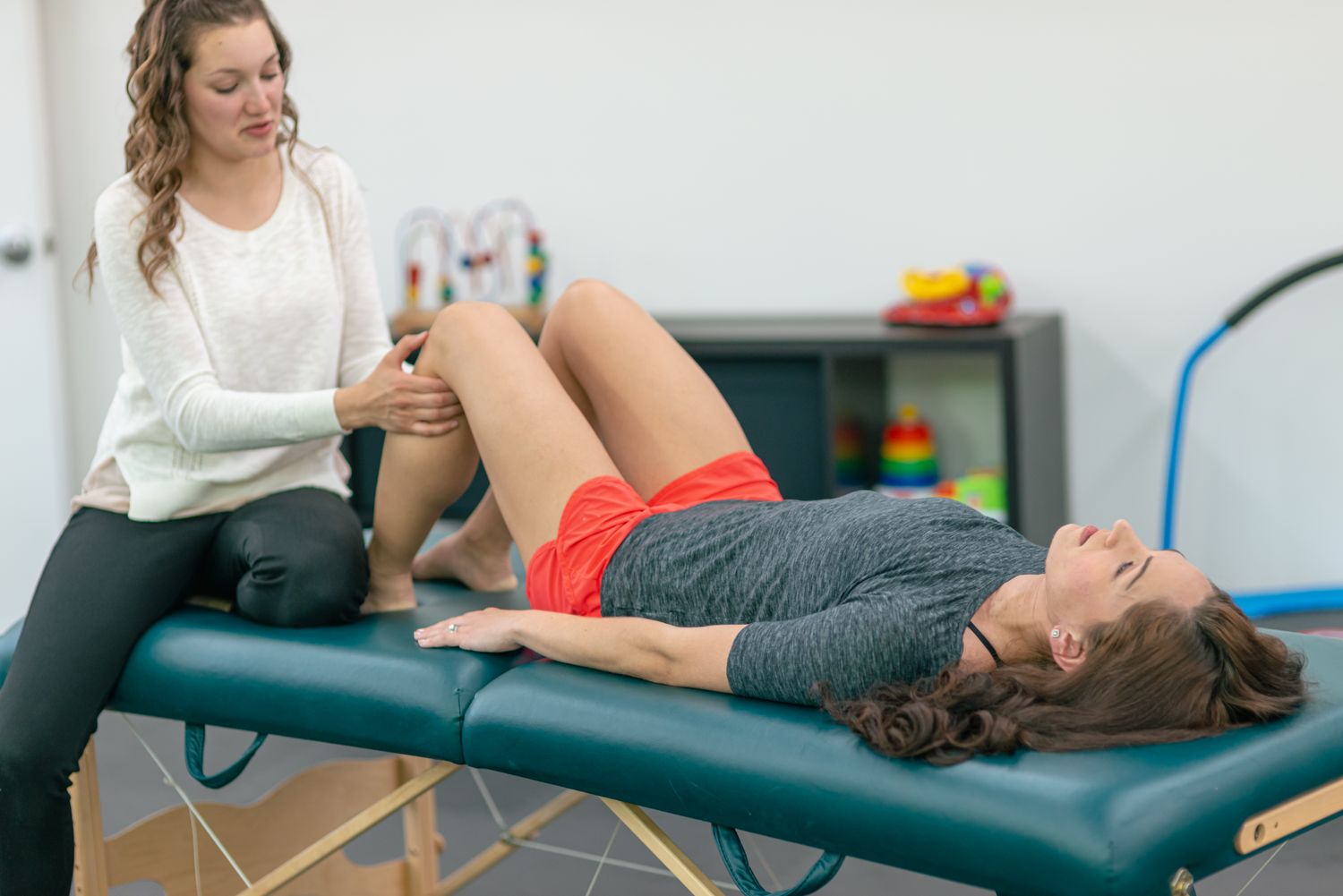
Stepping into a specialized physical therapy appointment for the first time can feel intimidating, but the process is rooted in gentle, empowering education and individualized care. Unlike traditional physical therapy clinics where patients exercise in large open rooms, pelvic floor therapy typically takes place in a private, quiet treatment room designed to ensure comfort and dignity.
The initial appointment begins with a thorough conversation reviewing your medical history, pregnancy experience, labor and delivery details, and current symptoms. The physical therapist will evaluate your posture, breathing mechanics, hip mobility, and abdominal wall function. With your explicit consent, they may also perform an internal or external physical assessment of the pelvic floor muscles to measure strength, endurance, tone, and tenderness. This hands-on evaluation allows the therapist to pinpoint exact areas of dysfunction rather than relying on assumptions.
From there, a customized treatment plan is developed. Therapy sessions rarely consist of simple instruction sheets. Instead, they incorporate a diverse toolkit designed to restore balance and function to the entire core system.
Retraining Coordination and Breath Mechanics
An effective pelvic floor recovery plan starts with breathing. The pelvic floor does not function in isolation; it works in tandem with the diaphragm and the deep abdominal muscles. When you inhale, the diaphragm descends, and a healthy pelvic floor naturally lengthens and relaxes. When you exhale, the diaphragm rises, and the pelvic floor gently recoils. Many postpartum individuals lose this natural piston rhythm due to postural changes during pregnancy or protective guarding after birth. Therapy focuses on retraining proper diaphragmatic breathing to restore natural muscle movement and intra-abdominal pressure management.
Manual Therapy and Release Techniques
For those dealing with hypertonic muscles, scar tissue from tears or an episiotomy, or lingering surgical tightness, manual therapy is invaluable. Specialized therapists use targeted internal and external massage techniques to release tight muscle fibers, break down restrictive scar tissue, and improve local blood flow. This hands-on work can dramatically reduce pain, ease tension, and restore tissue elasticity.
Progressive Strengthening and Functional Movement
Once muscle tone and coordination are balanced, the focus shifts to functional strengthening. Rather than mindless repetitive squeezes, therapy integrates pelvic floor engagement into everyday movements. You learn how to properly contract your deep core when lifting your baby, carrying a car seat, or returning to high-impact exercise like running or weightlifting. This ensures that the body heals in a way that supports long-term daily demands.
Breaking the Stigma and Prioritizing Postpartum Healing
One of the greatest barriers to postpartum recovery is cultural silence. New parents are often expected to quietly endure physical changes, balancing the overwhelming demands of infant care while ignoring their own healing. When pelvic floor issues are dismissed as normal, individuals suffer in silence, often altering their lifestyles, avoiding exercise, or giving up activities they love out of fear or discomfort.
Seeking out pelvic floor physical therapy is a powerful act of self-care and bodily autonomy. It reframes postpartum recovery from a cosmetic focus on pre-pregnancy waistlines to a functional focus on strength, mobility, and lifelong health. Whether you gave birth six weeks ago, six months ago, or sixteen years ago, it is never too late to address lingering symptoms and restore structural integrity.
Embracing a Stronger Foundation for the Future
The postpartum transition demands immense physical, emotional, and mental resilience. By looking beyond basic Kegels and embracing comprehensive pelvic floor physical therapy, birthing parents can step out of the cycle of silent endurance and into active healing. Understanding the mechanics of your core, addressing trauma with specialized care, and rebuilding strength from the inside out transforms the postpartum experience. It ensures that your body remains a strong, supportive home for all the years of adventures ahead.