

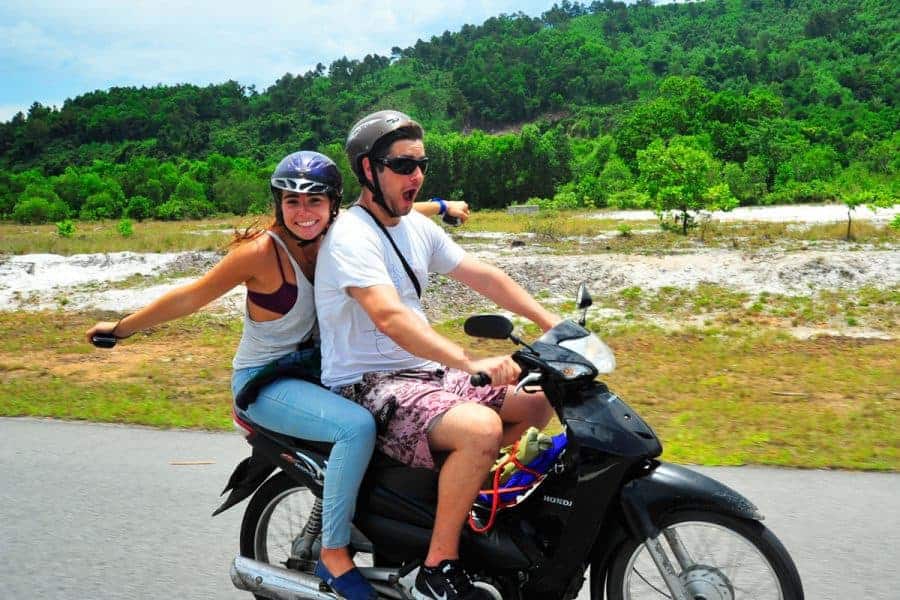
For many travelers, renting a scooter in Southeast Asia represents the ultimate symbol of freedom. Cruising down a coastal highway in Vietnam, winding through the lush green rice paddies of Bali, or exploring quiet rural roads in northern Thailand offers an immersive perspective that enclosed tour buses and taxis simply cannot match. The wind in your face, the scent of local street food drifting from roadside stalls, and the ability to stop wherever inspiration strikes create unforgettable travel memories. Yet beneath the romanticized allure of two-wheeled exploration lies a serious reality. Road conditions, chaotic traffic dynamics, and lax regulatory enforcement mean that renting a scooter is one of the riskiest activities a traveler can undertake abroad. Protecting your physical safety and your financial well-being requires more than just handing over cash and turning a key. Approaching the rental process with rigorous preparation, clear legal awareness, and defensive driving habits ensures your adventure remains a highlight rather than a cautionary tale.
Navigating Legal Requirements and Licensing
Before you even step foot inside a rental shop, you must confront the legal framework governing international driving. A common misconception among foreign tourists is that a standard home-country driver license is universally accepted across Southeast Asia. In reality, most countries in the region require specific documentation to operate a motor scooter legally, typically defined as engines ranging from one hundred to one hundred and fifty cubic centimeters.
The International Driving Permit Requirement
To drive legally and ensure your travel insurance remains valid in the event of an accident, you need two critical documents: your home-country driver license endorsed for motorcycles and an International Driving Permit (IDP). The IDP serves as an official translation of your license recognized internationally under United Nations treaties.
Many local rental agencies will gladly hand you a scooter key without asking to see any license at all, luring travelers into a false sense of security. Do not mistake the rental shop owner’s indifference for legal compliance. Local traffic police frequently set up roadside checkpoints specifically targeting foreign tourists. Operating without the correct license and an IDP results in immediate cash fines, wasted vacation time, and severe complications with medical insurance providers if an accident occurs. If your travel insurance policy explicitly states that you must be legally licensed according to local laws to receive medical coverage, riding without proper paperwork can leave you financially responsible for tens of thousands of dollars in hospital bills.
Choosing a Reputable Rental Agency
Not all scooter rental shops are created equal. Finding a trustworthy vendor requires looking past the cheapest daily rate and evaluating the condition of the fleet, the transparency of the business practices, and the security of your deposit.
Evaluating the Fleet and Condition
Avoid random roadside convenience stores or hotels that keep a few weathered scooters parked outside as a casual side business unless they maintain rigorous maintenance standards. Seek out dedicated rental shops with strong word-of-mouth recommendations or high ratings from fellow travelers.
When you select a vendor, inspect the vehicle thoroughly before signing any agreement. Check the brakes, tire tread depth, suspension, headlight functionality, blinkers, and the horn. A functioning horn is vital in Southeast Asian traffic, where it serves less as an expression of anger and more as a polite acoustic notification to surrounding motorists. Take clear, high-resolution photographs and videos of every existing scratch, dent, and crack on the body panels from multiple angles. Unscrupulous rental operators occasionally attempt to scam tourists by claiming pre-existing damage upon return and demanding exorbitant repair fees, making photographic evidence your best defense.
Understanding the Deposit and Insurance Trap
Rental shops typically require a security deposit, holding either cash or a valuable personal item such as your original passport. Never surrender your original passport as collateral. Your passport is your legal lifeline in a foreign country, and holding it hostage is an aggressive leverage tactic used by dishonest vendors to force payment for fabricated damages. Offer a cash deposit or a photocopy of your passport instead. Furthermore, carefully review whether the rental includes third-party liability insurance or collision damage waiver protection, understanding that most basic rentals cover only the physical upkeep of the machine, leaving you entirely liable for any third-party property damage or personal injury.
Essential Gear and Pre-Ride Safety Checks
Once you secure a reliable scooter and verify your paperwork, your focus must shift immediately to personal safety equipment and machine familiarity.
The Non-Negotiable Helmet Rule
Wearing a helmet is the single most effective way to prevent traumatic brain injury, yet many travelers bypass proper safety gear under the tropical heat or follow the lax habits of local commuters. Always insist on a sturdy, well-fitting helmet that fastens securely beneath your chin. Avoid flimsy, novelty fashion helmets sold at souvenir stalls, which offer virtually no impact protection during a collision. If a rental shop only provides cracked or poorly fitting helmets, purchase your own certified helmet from a local motorcycle gear shop before hitting the road.
Performing a Final Pre-Ride Inspection
Before setting off into unfamiliar traffic, spend five minutes testing the primary mechanical systems in a quiet alley or empty parking lot. Check the throttle response to ensure it returns smoothly, test both front and rear brakes to gauge stopping power, and adjust your mirrors. Take note of how the scooter handles weight distribution, especially if you are carrying a passenger or a heavy backpack.
Mastering Defensive Driving in Chaotic Traffic
Traffic dynamics in Southeast Asian urban centers and rural highways differ radically from Western standards. Cities like Bangkok, Hanoi, and Jakarta operate on a fluid, organic system where cars, buses, delivery trucks, pedestrians, and hundreds of scooters flow together like water around obstacles.
Rules of the Road and Defensive Strategies
To survive and thrive in this environment, you must abandon any sense of aggressive entitlement on the road. Yielding is not a sign of weakness; it is a survival strategy. Maintain a wide safety buffer around large commercial vehicles, as buses and heavy trucks have massive blind spots and rarely yield to smaller two-wheeled traffic. Anticipate erratic movements from other drivers, such as sudden U-turns without signaling, cars pulling out from side streets without looking, or stray animals wandering across rural tarmac.
Never ride after consuming alcohol or late at night when fatigue sets in and unlit road hazards, potholes, or stray debris become invisible. Watch out for road conditions unique to tropical climates, including sudden monsoon downpours that turn asphalt into a slick skating rink, hidden potholes filled with water, and loose gravel on winding mountain descents.
Protecting Yourself Financially and Logistically
Even the most cautious riders can encounter unexpected mishaps, making financial preparedness an essential final layer of your travel plan. Verify your travel insurance policy details before departure. Ensure that your policy explicitly covers motorcycle or scooter operation, noting any engine displacement limits or mandatory helmet requirements specified in the fine print.
Keep local emergency numbers, your embassy contact information, and your insurance policy ID saved offline in your smartphone or written on a physical card in your wallet. If you do experience a minor breakdown or a flat tire, remain calm; local mechanics are ubiquitous across Southeast Asia, and roadside assistance is usually fast, affordable, and readily available. By combining legal compliance, meticulous vendor selection, high-quality safety gear, and defensive driving awareness, you transform a potentially hazardous endeavor into the most liberating and memorable adventure of your journey.