

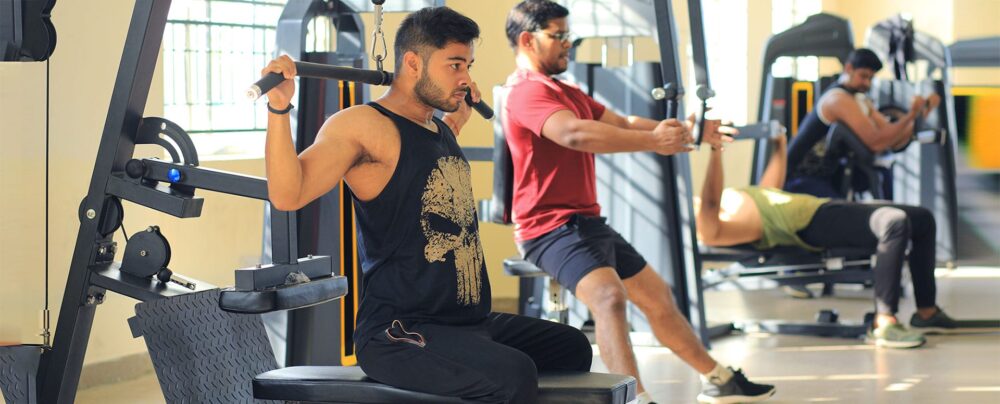
Singapore has one of the fastest ageing populations in Asia, with more people above 60 staying active and independent than ever before. As health and mobility become priorities, the modern fitness gym Singapore is no longer designed just for the young. Increasingly, gyms are creating programmes tailored to seniors, helping them age healthily while staying socially engaged. This focus on active ageing is transforming fitness culture into something inclusive for all generations.
Why Active Ageing Matters in Singapore
The government has long emphasised healthy living as a way to reduce long-term healthcare costs and improve quality of life. For seniors, regular exercise supports independence, mobility, and mental wellbeing. Gyms that adapt to these needs play a key role in Singapore’s ageing society, ensuring older adults have safe spaces to train, connect, and thrive.
Unique Needs of Seniors in Fitness Training
Focus on Joint Health and Mobility
Older adults often experience stiffness, arthritis, or reduced flexibility. Training programmes designed for seniors emphasise low-impact movements, stretching, and controlled strength exercises that protect joints while improving mobility.
Balance and Fall Prevention
Falls are a common concern among seniors. Gyms now incorporate balance training, functional movements, and light resistance exercises to reduce this risk, ensuring members maintain stability in daily activities.
Strength Training for Longevity
Muscle loss, or sarcopenia, is a natural part of ageing. Strength training slows this process, helping seniors retain independence. Light weights, resistance bands, and bodyweight exercises are often recommended for safe, sustainable progress.
Cardiovascular Health
Safe aerobic exercise such as cycling, walking, or low-intensity dance improves heart function and circulation. This not only boosts stamina but also helps manage conditions such as hypertension or diabetes.
How Gyms Adapt to Support Active Ageing
Specialised Classes
Gyms offer senior-friendly classes like gentle yoga, aqua aerobics, and functional training. These are designed to be low-impact yet effective, allowing participants to build strength and flexibility without overexertion.
Equipment Adjustments
Machines with simplified controls, lighter weight options, and ergonomic designs make training accessible. Some gyms even introduce recumbent bikes or hydraulic equipment specifically suited for older users.
Professional Guidance
Trainers experienced in senior fitness ensure that exercises are safe and tailored to individual needs. This guidance reduces the risk of injury and builds confidence among members who may feel uncertain about gym training.
Social Integration
Many seniors benefit from the community aspect of gyms. Group classes, health talks, and social events create opportunities for bonding, helping older adults avoid isolation while staying active.
Mental Wellbeing Through Fitness
Active ageing is not just about physical health. Exercise has proven benefits for cognitive function, memory, and mood. Gyms that integrate mindfulness practices, meditation, or even light brain-training activities alongside physical workouts help seniors maintain sharpness and positivity.
How Seniors Overcome Barriers to Gym Training
Common barriers like fear of injury, lack of confidence, or unfamiliarity with gym equipment are addressed through induction programmes, beginner classes, and supportive environments. Many gyms also offer trial sessions for seniors to build comfort gradually before committing to a full programme.
TFX Singapore as a Senior-Friendly Fitness Space
TFX Singapore has developed inclusive facilities and programmes that welcome older adults. From low-impact group classes to guided strength sessions, its offerings ensure that seniors feel safe, supported, and valued. The combination of professional trainers, adaptable equipment, and social interaction makes it a strong example of how gyms can support active ageing in Singapore.
The Long-Term Benefits of Senior Fitness
By staying engaged in fitness, seniors gain:
-
Greater independence in daily activities
-
Reduced risk of falls and injuries
-
Improved heart and lung health
-
Stronger bones and muscles
-
Enhanced mental clarity and social wellbeing
These benefits contribute to a healthier ageing population, reducing healthcare reliance and allowing seniors to enjoy fulfilling, independent lives.
FAQs About Fitness Gyms for Seniors in Singapore
Q1: Are gyms safe for people above 60 years old?
Yes, as long as seniors choose programmes tailored to their needs. With proper supervision and low-impact equipment, gyms are safe and effective for older adults.
Q2: What kind of exercises are best for seniors?
A mix of strength training, balance exercises, flexibility routines, and light cardio is most effective. This combination supports mobility, independence, and overall health.
Q3: Do seniors need medical clearance before joining a gym?
It is recommended, especially for individuals with chronic conditions such as diabetes or heart disease. Most gyms encourage seniors to consult their doctor before starting a programme.
Q4: Can seniors benefit from group classes?
Absolutely. Group classes designed for older adults provide both physical benefits and social interaction, which is equally important for mental wellbeing.
Q5: Is personal training suitable for seniors?
Yes, personal trainers with experience in senior fitness can create customised programmes that account for health limitations, ensuring progress while minimising risks.