

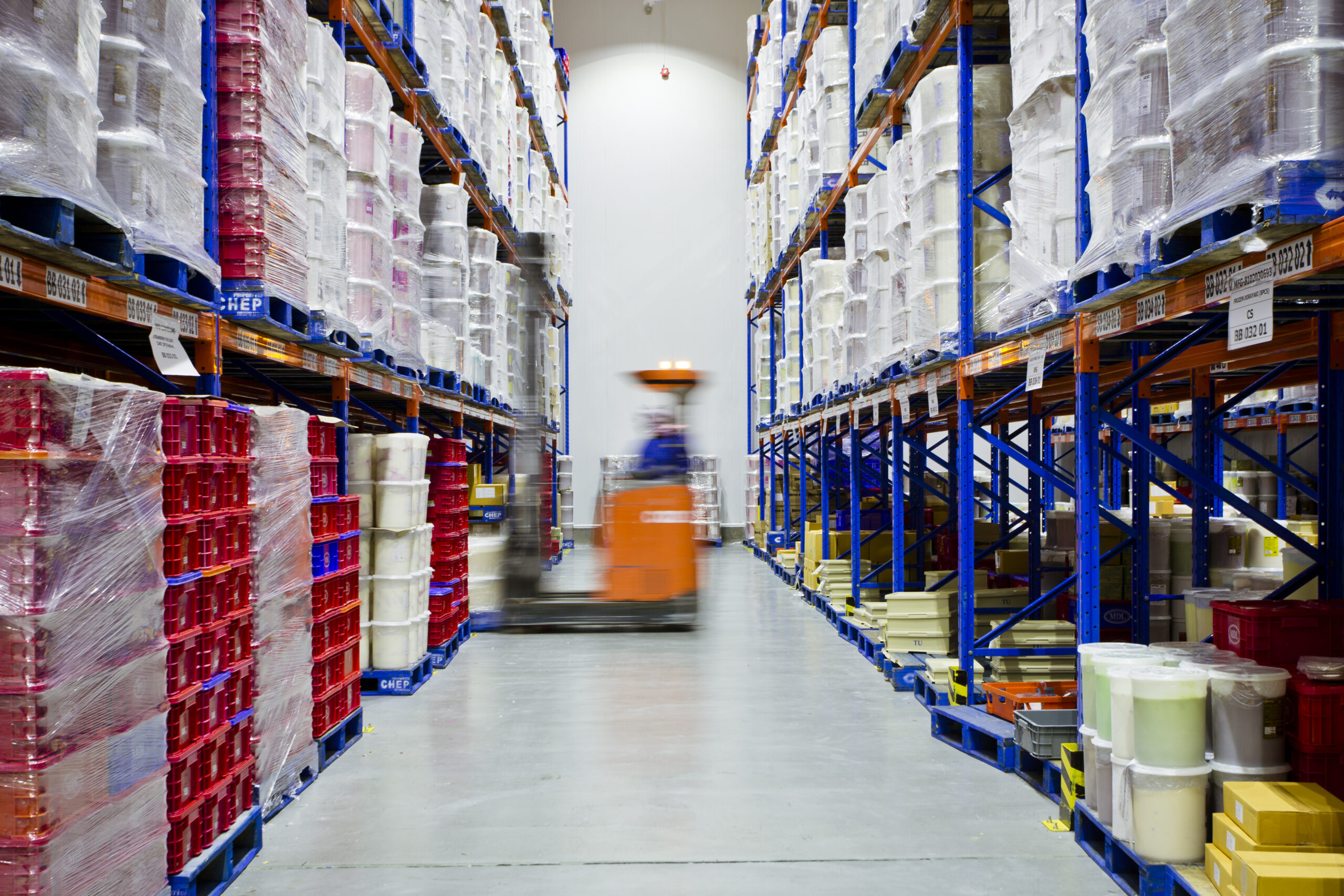
Thailand’s climate creates clear challenges for businesses that handle chilled, frozen or temperature-sensitive goods. Heat, humidity, traffic, loading times and regional distribution all need to be managed carefully if products are going to arrive in the right condition. For companies dealing with food, healthcare products, ingredients or specialist goods, cold chain logistics in Thailand can provide the structure needed to protect quality across storage, handling and delivery.
Climate Makes Control More Important
In a cooler environment, short handling delays may be less risky. In Thailand, even brief exposure to heat can affect certain products, especially if packaging, loading processes or delivery timing are not well managed.
This makes cold chain planning more than a technical requirement. It becomes part of everyday operational risk. Goods may move from production sites to warehouses, from warehouses to stores, or from import facilities to regional destinations. At each stage, temperature needs to be controlled rather than assumed.
Businesses should think carefully about how products are handled during transfers. The moments between storage and transport can be just as important as the journey itself.
Urban Traffic Can Affect Delivery Planning
Thailand’s major cities, especially Bangkok, can present traffic challenges that make timing less predictable. A delayed delivery is inconvenient for ordinary goods, but for chilled or frozen products, it may also create quality concerns.
Good cold chain logistics needs realistic route planning. Delivery schedules should account for traffic patterns, customer availability, loading restrictions and the time needed to move products safely at each point.
This is not only about speed. Sometimes the better solution is a more controlled route, better vehicle preparation, stronger scheduling or clearer communication with receiving teams. A cold chain operation should be built around reliability, not just fast movement.
Regional Distribution Adds Complexity
Thailand’s commercial activity is not limited to one city. Businesses may need to move temperature-sensitive goods between Bangkok, industrial zones, ports, airports, retail networks, hospitality sites and regional provinces.
Longer journeys require stronger coordination. Products may need to be stored, cross-docked, checked, reloaded or delivered through several stages before reaching their final destination. Each step must support the required temperature range.
For businesses scaling across Thailand, this can become more complex as volumes increase. What works for a small number of local deliveries may not be enough for national distribution. Systems, equipment and processes need to grow with demand.
Different Sectors Have Different Risks
Cold chain requirements vary depending on the product. A frozen food business may be focused on maintaining texture and preventing thawing. A fresh produce supplier may need to protect appearance, freshness and shelf life. A pharmaceutical distributor may require more detailed monitoring, documentation and compliance.
These differences matter. A logistics setup that works for one product category may be unsuitable for another. Businesses should understand the required temperature range, the acceptable handling window and the consequences of any break in control.
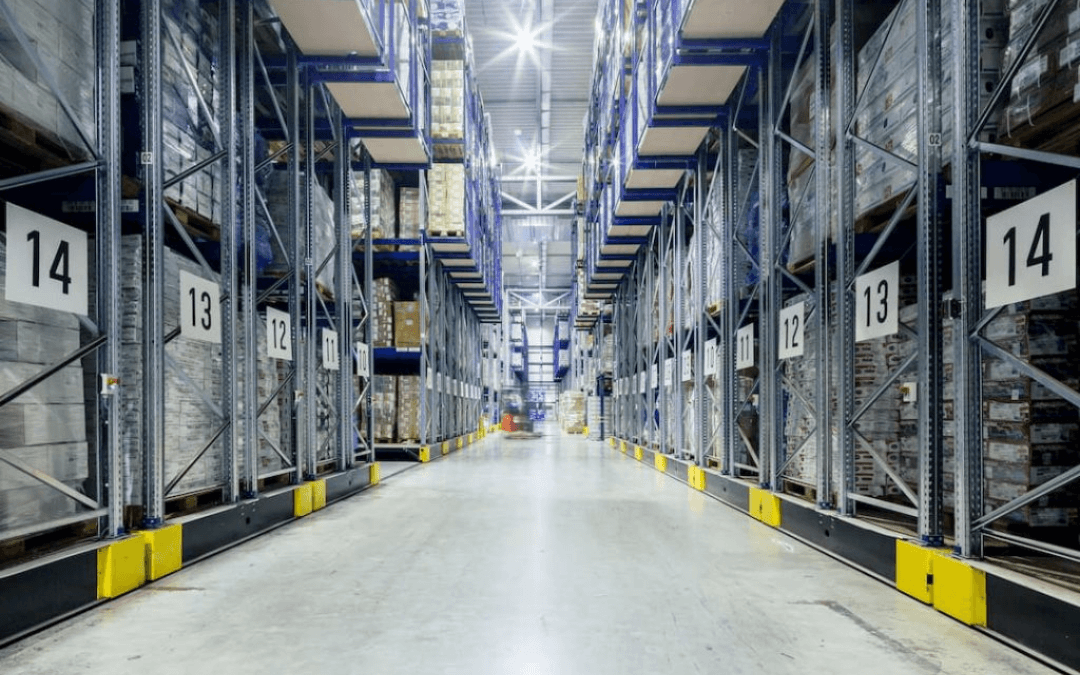
This is particularly important when goods are high value, regulated or sensitive to small changes. The more specific the product requirements, the more important it becomes to work with a logistics process designed around those needs.
Visibility Helps Businesses Make Better Decisions
Temperature-controlled logistics should give businesses a clearer view of what is happening to their goods. Monitoring, reporting and communication can help teams identify risks early and respond before problems become larger.
If a delivery is delayed, the business should understand whether temperature has remained stable. If stock is being stored, teams should know that the environment is suitable. If a customer raises a concern, records can help support investigation and decision-making.
This visibility can improve confidence across the supply chain. It allows businesses to manage quality more actively rather than reacting only when something goes wrong.
A Strong Cold Chain Supports Growth
As demand grows for chilled food, frozen goods, healthcare products and higher-quality retail supply, cold chain performance becomes increasingly important. Customers expect products to arrive safely, consistently and in good condition.
In Thailand, this requires planning that reflects the local environment. Heat, traffic, distance and handling conditions all need to be built into the logistics model.
A strong cold chain helps businesses protect stock, reduce waste, support customer confidence and expand more reliably. When the system is planned properly, temperature-sensitive goods can move through Thailand’s demanding conditions with far less risk.